Food justice begins with a simple idea: Everyone should have the chance to eat well and live well.
In many parts of America, millions of families live where fresh food is hard to find. Instead, they eat processed foods. When healthy food is hard to get, staying healthy is harder.
That’s why talks about fair food access and nutrition equity are so important. Every community deserves fair access to nutritious food and the knowledge to stay healthy.
This issue is not just about food. It is about dignity. It is about health. It is about community power.
As a chef and wellness advocate, I’ve seen how food becomes medicine when people are given the tools to cook simple, healthy meals.
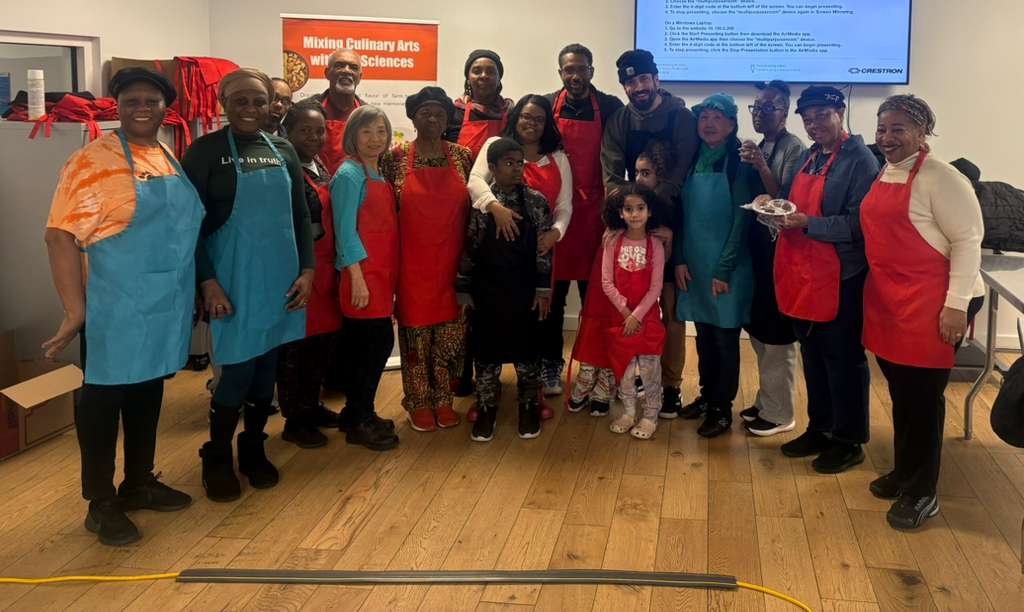
When people learn to cook, they take control of their health. And when communities cook together, something bigger happens — hope and strength return to the table. This leads to better plant-based community health.
What Food Justice Really Means
Equal access to healthy food
Respect for food traditions
Affordable nutrition education
Many communities have few grocery stores and fresh food options. Solving these problems needs food deserts solutions to make healthy food easier and cheaper to get.
The Role of Chefs in Food Justice
Chefs are more than cooks.
We are teachers.
We are storytellers.
We are healers.
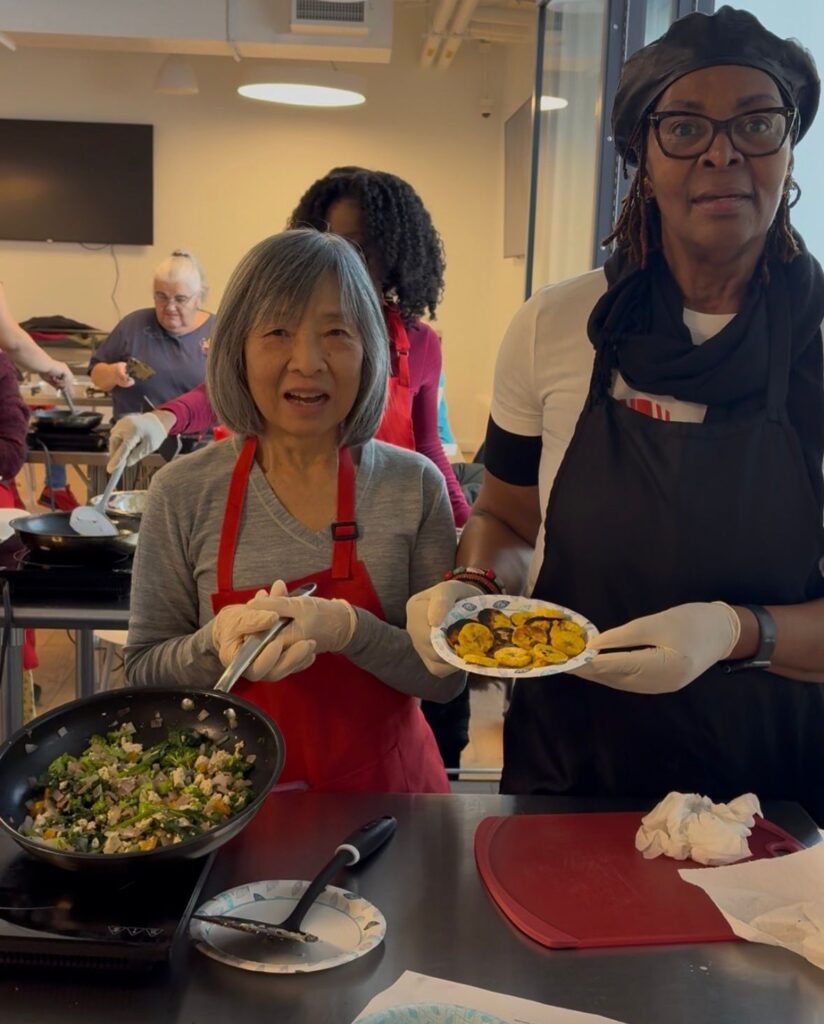
Through cooking classes and community programs, chefs help families learn to make simple meals. These meals support plant-based community health and overall well-being.
The Responsibility of Restaurants, Lawyers, and Social Workers
Achieving fair food systems takes teamwork from different professions.
Restaurants
Serve healthy, affordable meals to improve healthy food access in their communities.
Lawyers
Work on laws that help fix food deserts, solutions, and create fair food systems.
Social Workers
Help families who don’t have enough food and connect them with resources.
When these groups work together, we can make real progress toward nutrition equity.
Why Is Food Justice Important?
Everyone deserves the right to healthy, affordable food. Many communities still have limited healthy food access, which can lead to poor health and greater inequality.
By promoting nutrition equity, communities can help families get the food and education they need for a healthier life. This also supports plant-based community health programs and helps build stronger food systems.
By addressing food deserts solutions, communities can make healthy food easier to find and create healthier environments for future generations.
The Impact of Food Justice
Change often begins in the kitchen, but its effects reach far beyond the plate. Every meal made with care becomes an act of change. It helps communities grow stronger and supports better health for future generations. And sometimes, real change starts with just one ingredient.